
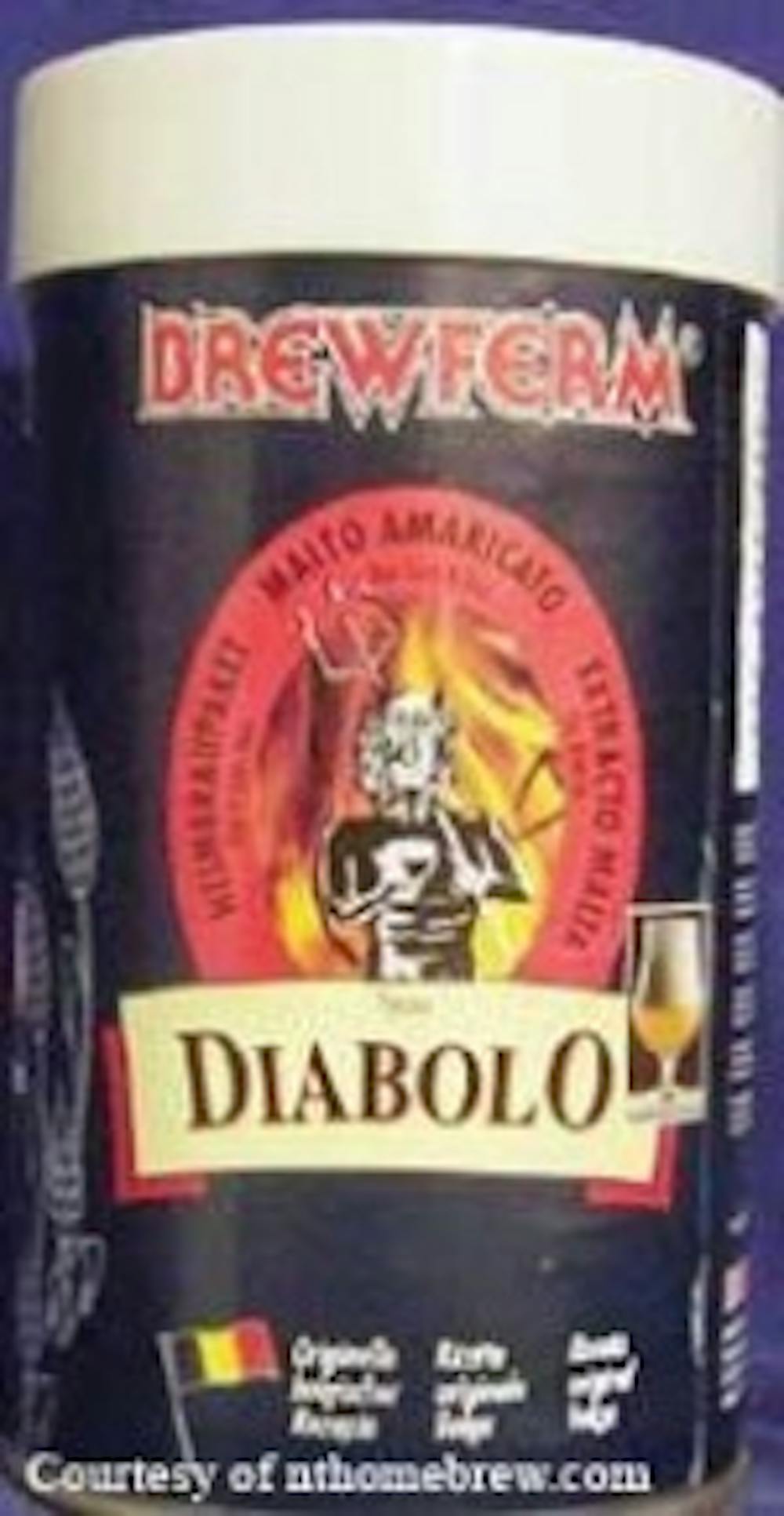
While the average party-going student probably sticks to old standbys like Keystone or Bud Light, others treat their taste buds to self-made beer creations.
Gourmet and imported beers run higher on the price range, and for those with expensive taste the cost of consuming premium brew can add up. In a time when every dollar counts, beer enthusiasts can quench their exotic thirst by brewing their very own batches of gourmet beer.
"Brewing beer is a very passionate hobby for a small percentage of beer drinkers," said Becky Dyster, owner of Niagara Tradition Homebrew Supply. "Roughly 5 percent of consumers brew their own beer."
Brewing beer has its advantages and disadvantages, according to Dyster. Drinkers with expensive beer tastes such as micro-brewed, gourmet or imported beer can save big by brewing their own.
"A great advantage to brewing your own beer is the satisfaction of having done it yourself," Dyster said. "Brewing is not for everyone, a lot of ambition is needed. It is definitely not a couch potato's hobby."
The best way to find a flavor of beer to create is to try many different kinds of beer from stores or bars, then replicate it or make your own version of it, according Irv Brese, a beer certificate judge from Niagara Falls. In most cases the result is a unique batch of tasty beer and the satisfaction of hard work.
"I've been brewing for about 20 years now," Brese said. "I find it fascinating that people get to experiment with different flavors and types of beer."
According to Dyster, beer can be brewed in almost any apartment or house. The only space needed is for a six-gallon bucket to sit around for several weeks while the beer ferments. Space is also needed to store any previously brewed beer, but in the college environment, long-term storage usually isn't an issue.
Setbacks to students brewing their own beer include the tremendous sanitation and clean up process.
"Everything used in the brewing process needs to be sanitized or the beer could end up ruined," Dyster said. "Sometimes things go wrong; there is not a 100 percent success rate."
According to Dyster, students can choose different levels of difficulty when brewing. Beginning brewers can choose from a variety of basic kits that require just some sugar, water, and the start-up kit. The beginning level allows different flavors of beer to be made but is limited by the ingredients that come in the package.
"Starter kits sell for $89.99 and come with everything needed to get started," Dyster said. "The kit makes about two cases of beer and we have different flavors of beer to choose from, ranging from Irish stouts, English ales, Christmas special blends and many more."
Instead of using easy kits, intermediate-level brewers add their own grain and hops to the mix, according to Dyster. Most brewers stay at the intermediate level, but by mixing in their own barley, hops and spices, they create their very own unique flavors of beer and the variety of flavors is much higher than those at the beginning level.
"Only 10 percent of beer makers take brewing to the advanced level," said Dyster. "The amount of work in the advanced stage is tremendous; brewers can expect to be tending to their creation for an entire day, which is much longer than the intermediate stage."
According to Brese, local brewers get the chance to show off their hard work at a competition held annually. A WNY beer brewing competition spurs brewers from all over the area to craft different types and flavors of beer. Last year's competition saw over 400 different beers.
"Competitions are good because the judges will tell you what went wrong with your beer," said Brese. "It presents a chance for brewers to learn from their errors and in the future will be able to brew better beer."
The Niagara Tradition Homebrew Supply is located at 1296 Sheridan Drive in Tonawanda.



