
These days, it seems like there is talk about taxes on many commodities that were never thought of as taxable. Some taxes, however, might be beneficial to the general public's health. Dr. Leonard Epstein, a distinguished professor of pediatrics and social and preventive medicine at UB, has found evidence that when junk foods are taxed, mothers tend to buy less of them, which could result in some degree of prevention of childhood obesity.
The study Epstein conducted had various mothers go grocery shopping in an analog grocery store where the prices of products were altered in one of two ways: food considered to be junk food was taxed by either 12.5 percent or 25 percent, or the food considered to be healthy was subsidized by either 12.5 or 25 percent.
"People bought fewer junk foods with less fats, less carbohydrates and lower calories," Epstein said. "When you tax, people buy less. It's common sense."
A less expected result occurred when the healthier foods were subsidized.
"When the healthy foods were subsidized, we found that there were more healthy foods [in their baskets], but there was also more junk food," Epstein said.
People like subsidies since it's like being rewarded with money rather than having to pay more, as in the case of taxes.
"Subsidies are always looked at as a great idea … people might have the idea that they spend $100 on groceries a week and then with a subsidy, they think it's extra money towards that and want to buy more Oreos," Epstein said.
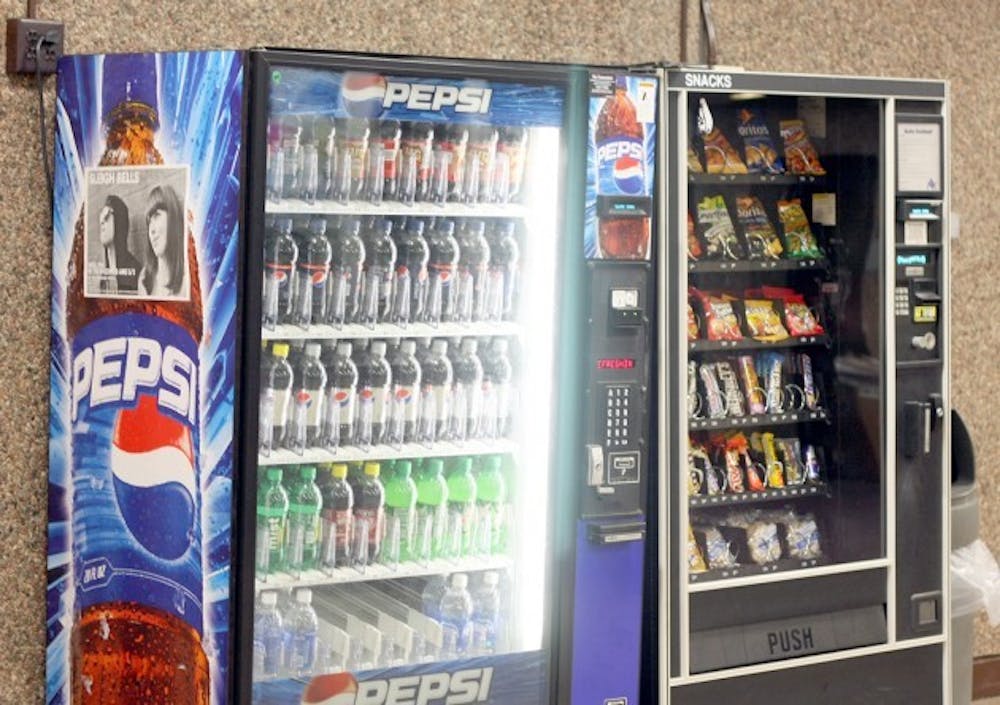
The public has seen the result of what happens when the government has taxed something unhealthy. Once cigarettes began to be taxed, people bought less. The same would be true for things like candy bars and soda pop if the government ever decided to tax such unhealthy items.
"The reason for doing this [study] is to inform public policy," Epstein said.
Other measures, in addition to a tax, could have an effect on the types of food people buy. Another implementation that has become more common is that the nutritional facts are posted for consumers to see. This policy has had an effect on consumers' buying habits, but not universally.
At Starbucks, for example, "customers with higher incomes were influenced by the number of calories in a product and people with lower income were influenced less," Epstein said.
This means that when people have the wiggle room associated with having plenty of money, they are willing to pay more for the product that is healthier.
Something customers can be aware of to reduce the amount of unhealthy foods they buy is the variable of shopping while hungry. It is not the best idea to shop for food while hungry because the food in front of someone might take precedence over how much money is in his or her pockets when he or she is hungry, according to Epstein.
Not everyone agrees with instating taxes in order to influence decisions as personal as what goes into people's mouths, but at the same time it can be argued that people do not always know what is good for them. This really becomes an issue when it comes to children because they generally do not choose what they eat, and it is mom that makes their nutritional decisions.
Epstein believes the tax would be helpful because it takes a lot less willpower to just not purchase junk food for the hour that someone is in the grocery store, rather than to resist eating junk food for the days or even weeks that it is in the house.
"If the food isn't in your house, you can't eat it," Epstein said.
E-mail: news@ubspectrum.com
Taxing junk food reduces purchases
More



Comments
