NEWS
By Amanda Jonas
|
Nov. 22, 2010
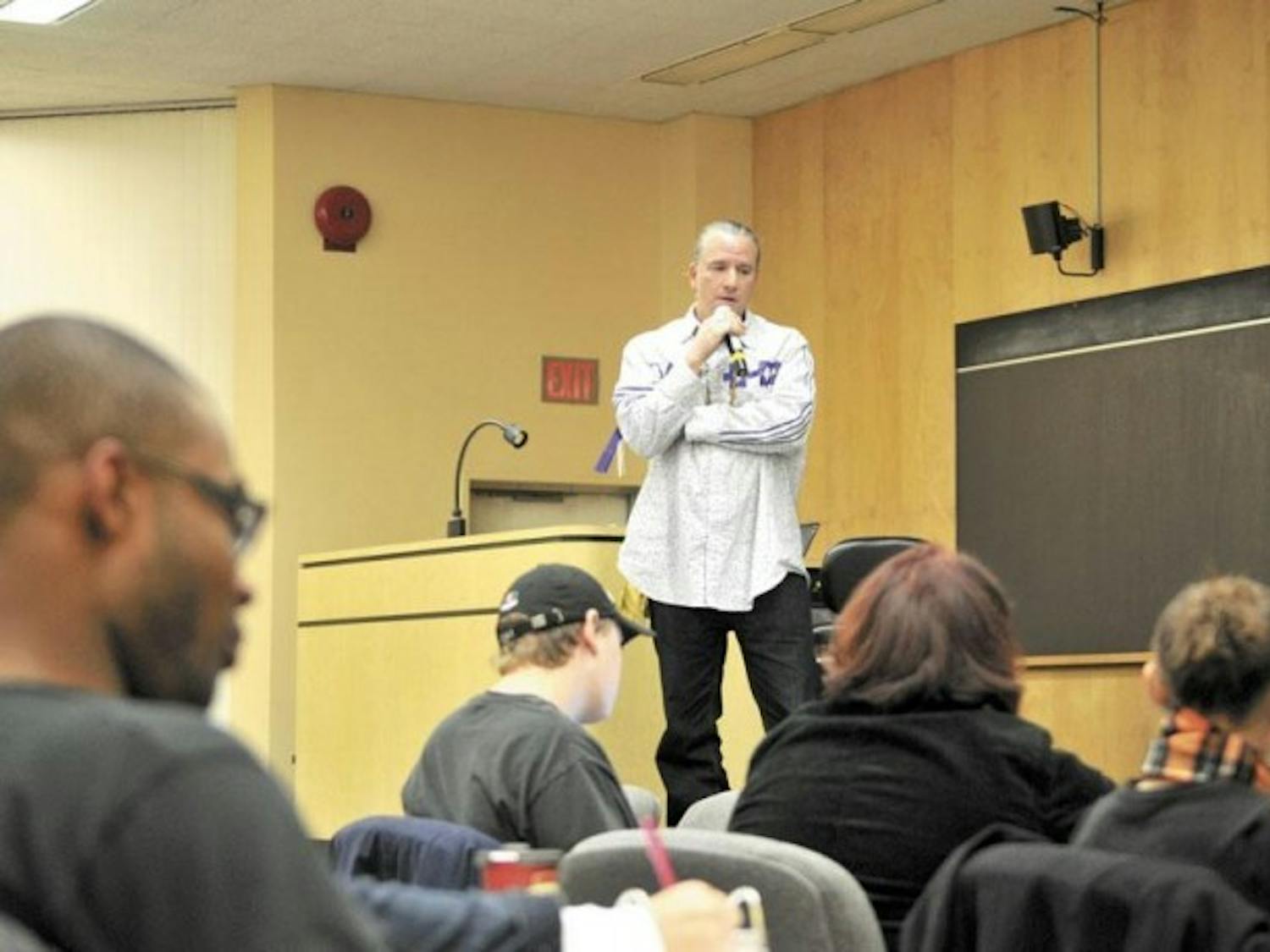
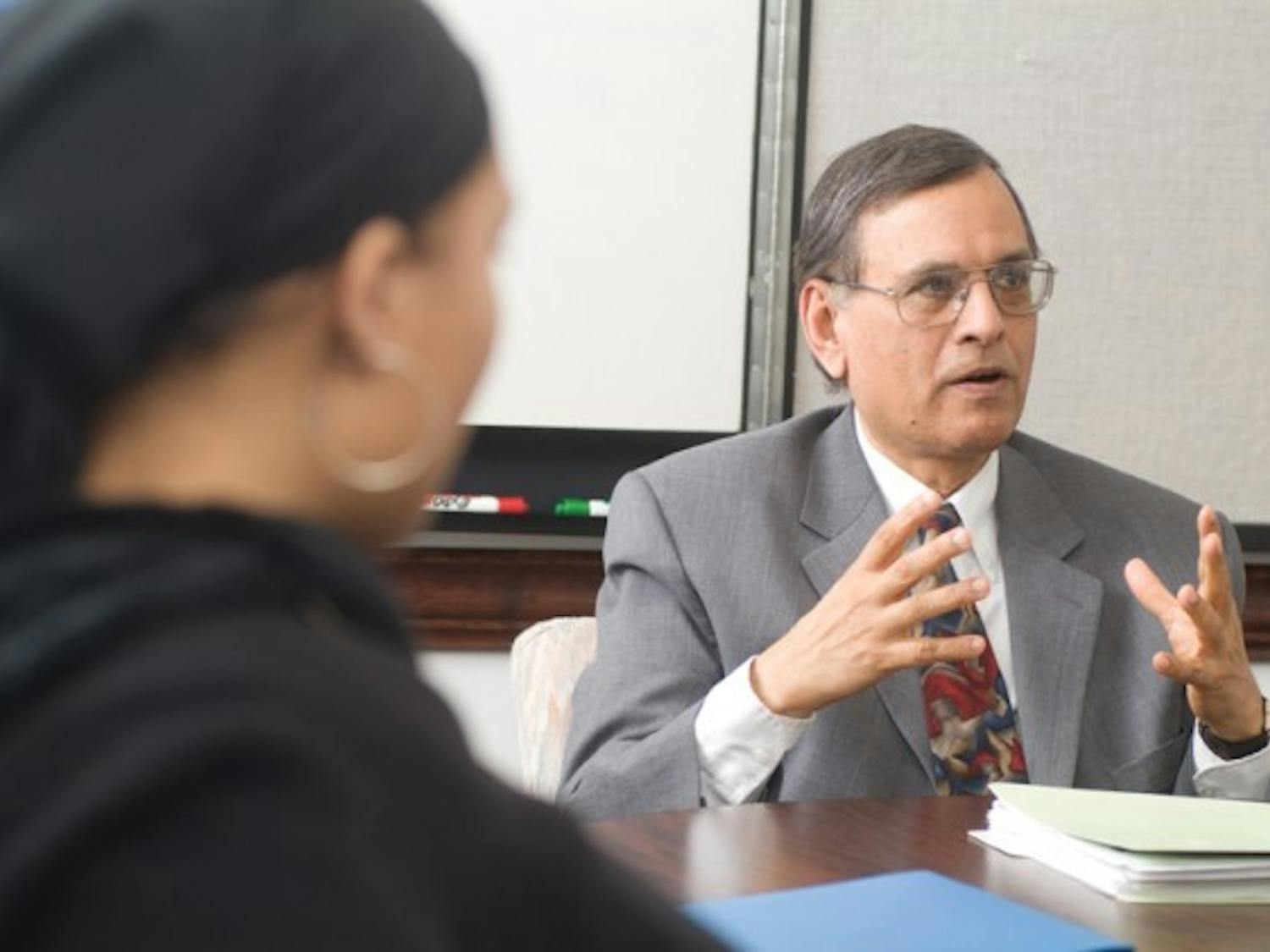
Seventy percent of college students admit to some form of cheating. In a study conducted in 2006 by the Center for Academic Integrity, a survey of 50,000 college students on 60 different campuses showed that 70 percent of students admitted to cheating in some capacity, 50 percent admit to cheating on written assignments, and 25 percent admit to serious test cheating. With these staggeringly high national numbers, educators at UB are attempting to do whatever is necessary to prevent cheating on campus. A workshop held Thursday in the Teaching and Learning Center entitled "Plagiarism and Academic Integrity" featured James Gardner, vice dean for academic affairs in the School of Law, James Jensen, professor of engineering and faculty director of undergraduate studies, and Mike Ryan, professor of chemical and biological engineering and director of university accreditation. One topic that was discussed during the seminar was the professor's responsibility to create a learning environment that does not enable academic dishonesty. When allegations of cheating surrounded an exam in Professor David Murray's Introduction to Management Info Systems class, MGS 351, students came forward demanding that Murray, who allegedly gives the same exact exams each year, accept some responsibility. According to Jensen, it is a teacher's responsibility to actively work to minimize a student's opportunities and incentives to commit academic dishonesty. In order to create a fair and honest learning environment, teachers should be discouraged from using old exams, according to Jensen. "[Just as] students get into a panic the day before [they need to take] an exam, teachers get into a panic the day before the exam needs to be written," Jensen said. "Faculty should assume that [all students] have copies of past exams? and should be encouraged not to [re-use exams] because it encourages this attitude that you don't have to study or review material because the answers are out there in past years' exams." Ryan understands that while students, like those in Murray's management classes, might find old exams to be a useful studying resource, the teacher has a responsibility to prevent the tests from being exactly the same each year. "When I was a student in preparing for an exam I would want to know the nature of the questions asked on previous exams just to know what had been asked before," Ryan said.