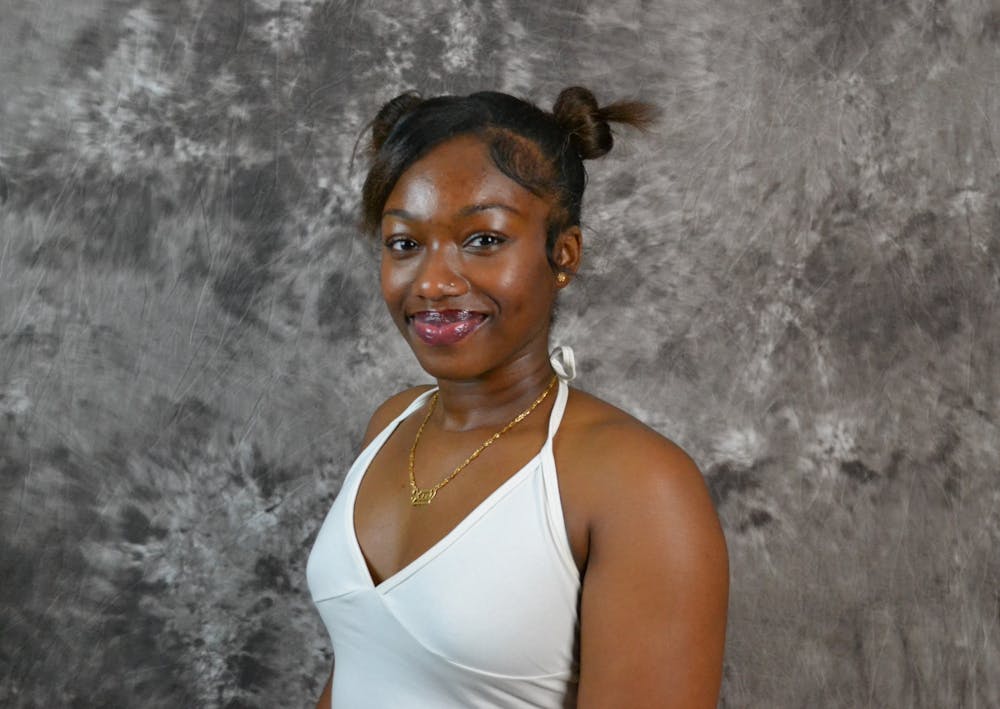
Hair typing systems, established by Andre Walker — a renowned American hairstylist —, range from Type 1 (straight) to Type 4 (coils) with waves and curls in between, with characterization of Type (number) and A to C subsections. In reference to that, although black people are not the only race that can naturally have Type 4 hair, it is predominantly the hair type of those of African descent.
The “Black is Beautiful” movement originated in Harlem, 1960s. This campaign was a community effort to uplift people that didn’t fit eurocentric features and feel represented in Western society. It rewrote narratives that darker skin was unattractive and displayed Black people in a favorable light, which was not largely accomplished before this time. During this movement, women and men ditched hair relaxers, flat irons and hot combs that suppressed their curls, and instead rocked clean and fluffy afros — combing out curly or coily hair to a full, round shape. For the first time in America, Black people embraced their natural hair and pushed back at employers, schools and establishments that tried to discriminate against it.
Though this movement made a monumental change in the Black community as far as self and social perception, its battle would be far from over. Throughout the next few decades, many. reverted back to styling their hair against its needs. The “Black is Beautiful” movement was not one done in vain though. In the early 2000s-2010s, there was a resurgence of women demandingly sporting their hair in its natural state. It was during this time that we saw a rise of natural hair influencers, people with Type 3 and Type 4 hair, that uploaded their routines and tutorials online.
The content was consumed mostly by Black women who didn’t know how to maintain their hair. These influencers became the only resource for a lot of people. It was at this time where corporations would begin to exploit Black people’s hair for money.
Corporate propaganda has fed into the narrative that natural hair is difficult, unmanageable and expensive to maintain but it was designed to maximize their profit. Today, many big labels sell multiple lines that are meant for use in one sitting to attain a “decent” style. It doesn’t help that they pay influencers to use these extensive lines to make routines for the public. The reality is that for most of the styles that people with Type 3 and Type 4 hair want to have, they would only need two to three of these products.
Trichologist — a specialist that focuses on scalp disorder — and YouTuber, Undrhtedryr, expands on this topic. Explaining that not only is the marketing for these products predatory but also that the products themselves are damaging to Type 4 hair. In her “Natural Hair Is Not High Maintenance,” video, she goes on to explain that the routine is actually weighing down the coils. This ultimately is counterproductive to the goals of most people with Type 4 hair: length retention and health. In the end she emphasizes the simpler reality of how to attain these goals through moisturization and reduced manipulation.
Preying on 3A to 4C hair has long made predatory corporations wealthy. Let’s educate ourselves on what your hair actually needs by speaking to specialists and taking influencer advice with a grain of salt.
The opinions desk can be reached at opinions@ubspectrum.com