
Mayor Michael Bloomberg has been busy.
For the last couple years, the New York City politician has been pushing for policy to limit the sale of 16-ounce soft drinks that was supposed to take effect last week before a judge put a stop to it. Now, he's got a new mission with a familiar feel: tobacco legislation.
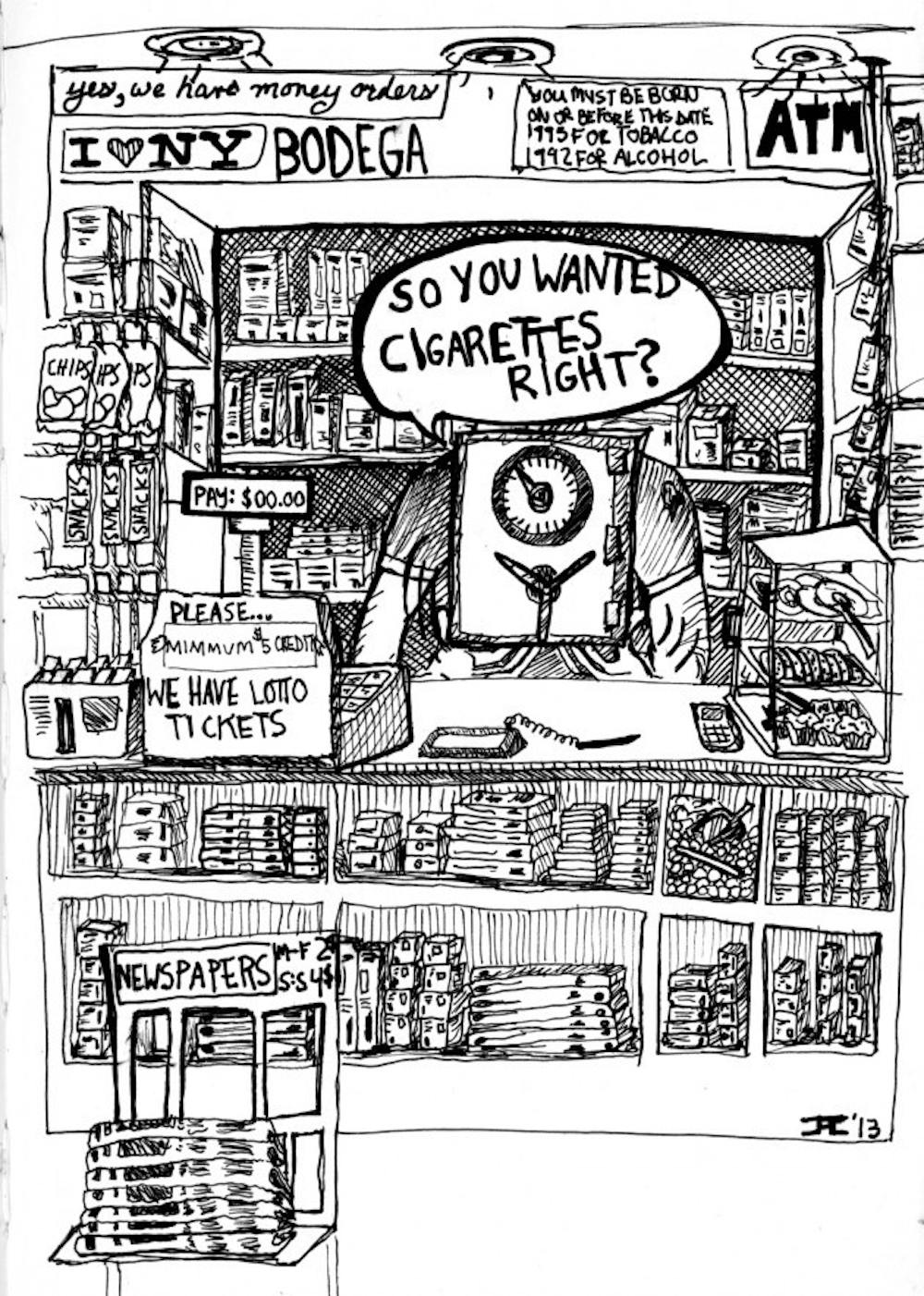
Bloomberg announced an anti-tobacco initiative early this week that would ban stores in the city from publicly displaying cigarettes. That means no more colorful walls stocked behind cashiers at convenience stores and markets. However, it does mean stores would still be allowed to advertise and display prices.
The goal of the Tobacco Restriction Bill is to curb smoking among children and teenagers susceptible to picking up the habit. Between opposition from the industry and consumer reaction, this will be incredibly difficult - maybe even impossible - to get rolling, let alone to get passed. But unlike Bloomberg's soda ban, it's a necessary evil and an important change to improve our health.
If Bloomberg can even get it off the ground, the controversial legislation would be the first of its kind in the United States to actually pass. Haverstraw, a town in Rockland County, N.Y., attempted a ban on cigarette advertising last year, but the measure was shot down to avoid a costly lawsuit from convenience stores and big tobacco.
Still, the "out of sight, out of mind" mentality could work and is worth taking the chance. The smoking rate among youths 11 to 15 years old in New York has remained stagnant at 8.5 percent for the last six years, while the smoking rate of adults decreased from 21.5 percent in 2002 to 14.8 percent in 2011.
The effort is fitting with the rest of Bloomberg's last 11 years of anti-smoking initiatives, which have included banning smoking in bars, restaurants and public parks and added an additional $1.50 tax on smokes in the city. The difference between this and previous legislation like the indoor smoking ban, though, is this doesn't take anything away from the consumer.
While the bill wouldn't affect tobacco stores, which don't allow entrance to minors, other places and employers that depend on the sales are fired up over the proposed deal, which refer to it as "absurd" and chastise the mayor for "telling a business they have to hide the products that they're licensed to sell."
The only thing the bill affects is the old business tactic of putting products close to the register to encourage impromptu, last-minute purchases by older consumers. Of-age customers can still go into the store and buy cigarettes if they want to because people who smoke and want to continue to smoke will do so. If stores choose to advertise availability then people will still know they can buy them, despite what the worried industry executives say.
So much of our generation's platform has been centered on the idea of changing the trajectory of where our country had been going, undoing what we consider mistakes and updating primitive ideals. That includes new stances on health and on the environment. And that includes backtracking from what big tobacco has already set up over the years and eliminating some of the risk.
For a culture with such a monkey-see-monkey-do mentality, the attempt is important. People are visual learners and learn from example, whether they see their parents smoking or their favorite character in a movie smoking or even just see the big tempting wall of cigarettes at the store. Get rid of the wall and you get that image out of their heads and hopefully start a chain reaction.
As the city is constantly referred to as "the center of the universe," it makes sense for this all to begin in New York City. As long as it took to get the soda ban rolling, though, this is definitely not going to be an immediate change (if it's plausible at all). If Bloomberg is serious - and everyone knows he is - he and all New Yorkers have to push through the small steps.
Email: editorial@ubspectrum.com
 Photo: The Spectrum Archives


