
Nine acres in North Tonawanda's Klydel Wetland School District has been temporarily spared from development, and it wasn't the result of guitar strumming and singing "Kumbaya."
Efforts to save the wetlands were led by geologist Liz Kaszubski, manager of the North Tonawanda Audubon Nature Preserve, who made a pivotal and successful presentation to the school board.
Kazubski proposed the school sell the wetland to Buffalo Audubon for $1, a proposition the school board will vote on Dec. 13. Recent comments by board members in The Buffalo News indicate the proposition will likely pass, a move that will potentially save a valuable environmental resource.
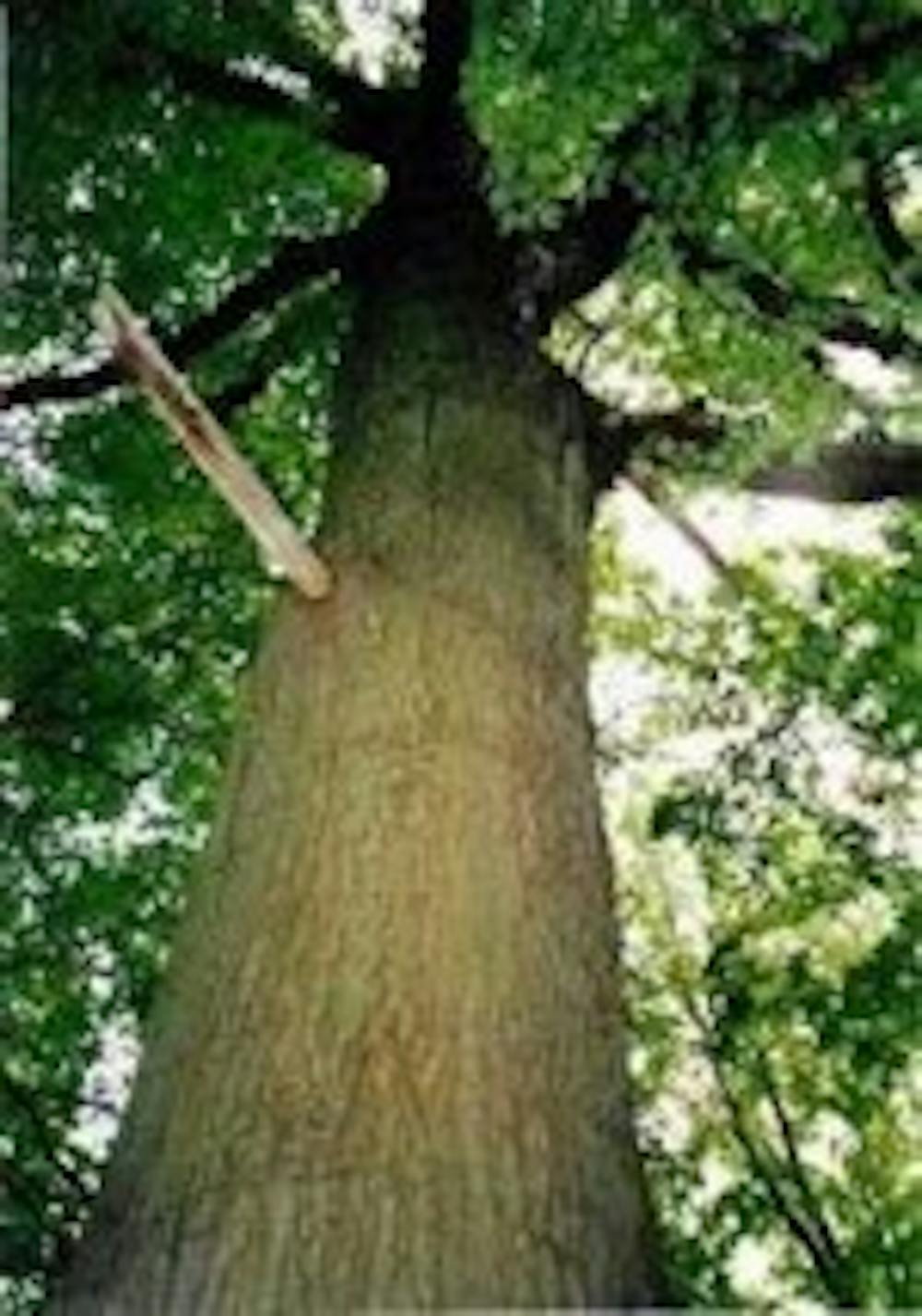
"For one, on the Klydel Wetland there's a tree called the Shumard Oak that was discovered by Niagara University," Kaszubski said. "It was the first one discovered in New York and there have only been a few others found."
The tree is between 150 and 250 years old.
Kaszubski pointed out that not only would commercial and residential development in the wetlands be detrimental to the environment, but also homes built in the area would have problems similar to those that plague other wetland-based developments.
"Developers around here are building homes in the wetlands. You saw what happened in Amherst. The soil is no good," she said. "If they sold the land, developers would look to get permits to build on the land. They might destroy that tree and it's not good for building homes."
A few years ago, several homes in the Amherst were found to be sinking in the soil because the wetland soil on which they were built was unstable.
Another important feature of the wetlands is their educational value, according to Kaszubski. North Tonawanda schools use the area for science education but fear liability issues that might arise in the event that a student is injured on their land with the science class.
Kaszubski said if the land belongs to Buffalo Audubon, an environmental advocacy organization that serves Western New York and the Niagara Frontier Region, then the students could still use it free of charge and potential liability issues would be solved. Should Buffalo Audubon own the property, the land would be treated as a natural preserve.
"That's something that Buffalo Audubon can offer students, to educate them about the wetlands because there are a lot of misconceptions about them," Kaszubski said. "For instance, just because an area dries up doesn't mean it's not a wetland. The wetlands in this area are seasonal."
Kaszubski's organization is happy to continue to provide that educational service to the community.
She said the area even holds educational value at the university level. Last year a busload of UB law students visited the wetlands to learn about the difference between a wetland boundary and a non-wetland boundary.
"Wetlands are a resource that is rich in undiscovered knowledge. They possess relationships between wildlife in them in their complexity of an ecosystem, that by observing, we could conclude observations about relationships between humans and our environment," said Kelly Carr, a UB freshman legal studies major.
Should the proposition not pass, the school board will explore other options for the property.
"I'm encouraged that they at least changed their minds and decided not to sell it for development," Kaszubski said.
Next year, the school board will have to put the decision in a referendum to the taxpayers to be voted on.



