It turns out that not much has changed since the days when children were to be seen but not heard.
The Institute for European and Mediterranean Archaeology (IEMA) held its third Visiting Scholar Conference on one of the most needlessly neglected topics in the field: the role that children and childhood played in ancient cultures.
The conference was called "Children as Archaeological Enigma: Are Children Visible or Invisible in the Archaeological Record?" and was held Saturday and Sunday in the Jacobs Executive Development Center on Delaware Avenue.
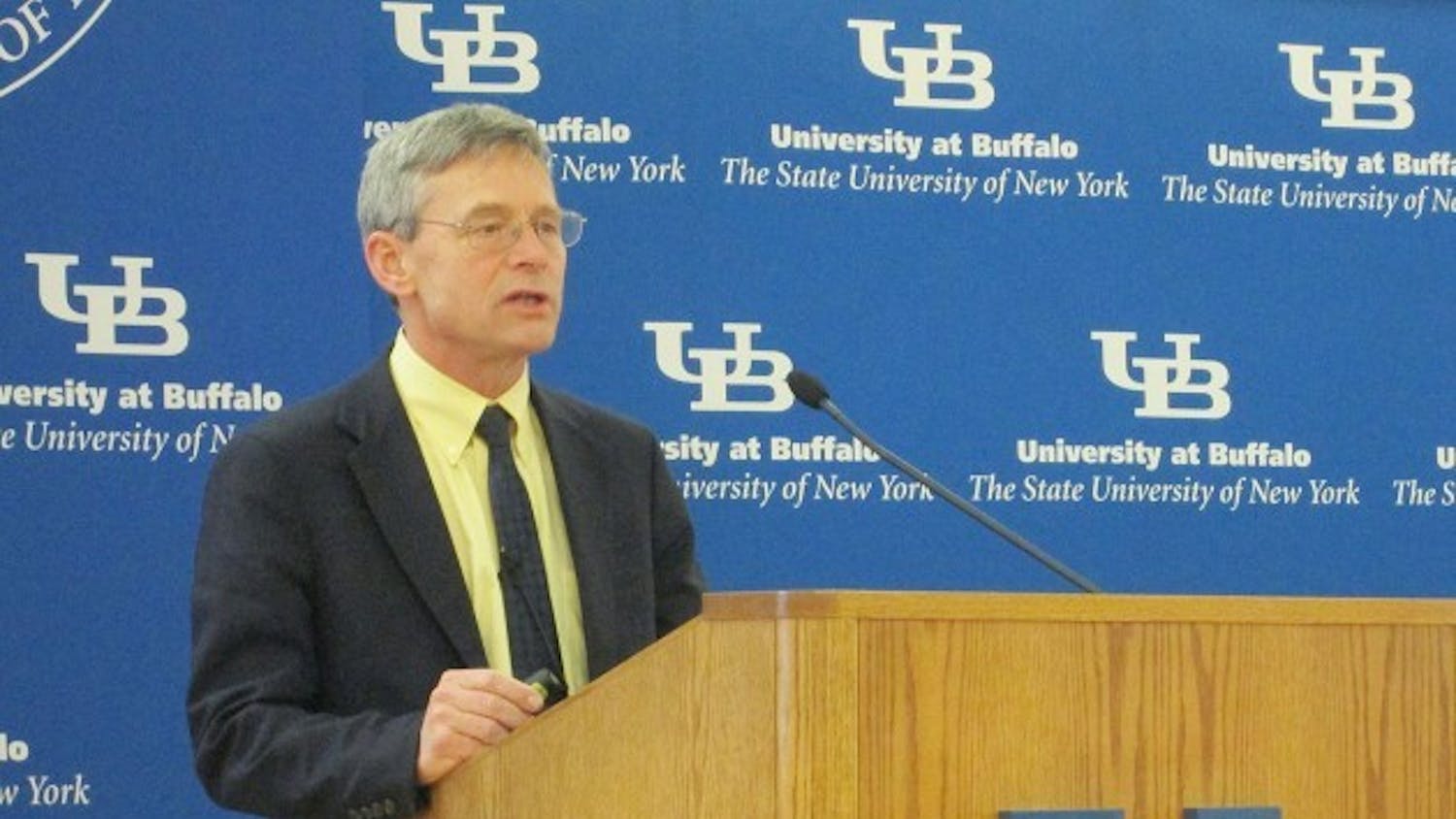
Over 20 scholars from around the world participated in the conference, coming from London and Berlin as well as Harvard, Yale and Cornell. Peter Biehl, director of IEMA and professor of anthropology, was in attendance, presenting his work on anthropomorphic figurines from the Neolithic period. He discussed how children were represented during that period in Europe and the Middle East.
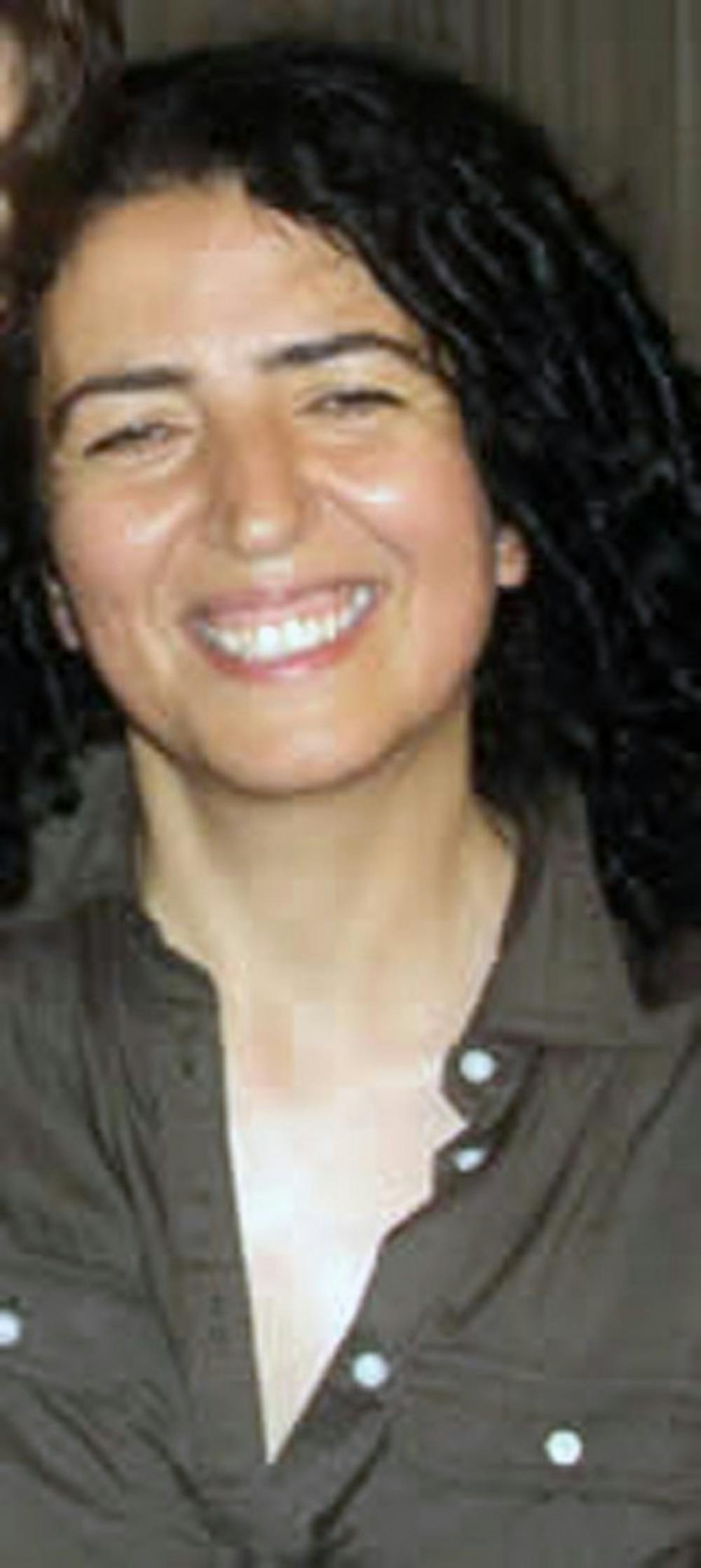
Participants from UB included Stephen Dyson, professor of classics; Jack Meacham, professor of psychology; and Güner Coskunsu, the visiting scholar who organized the conference.
Coskunsu earned her undergraduate and master's degrees from the University of Istanbul in Turkey before going to Harvard for her second master's and doctorate degrees in anthropology.
She first developed her interest in the ancient notion of childhood during a dig in the Neolithic site of Mezraa Teleilat, near the city of Urfa in Southeast Turkey. During her hours outside the dig, she observed the villagers' children, who were playing with rocks.
"[They] were making simple structures, similar to things found in archaeological digs, and I began to wonder if they were made by children," Coskunsu said. "In many current archaeological discourses, children are largely missing despite their various active roles in society … Children are commonly ignored not only by archaeologists but also by ethnographers, historians, social scientists in general, and even scholars in feminist and gender studies."
When she was invited to come to UB, Coskunsu organized this conference to feature the voices of many different disciplines. The IEMA conference included anthropologists, historians, art historians, classicists, psychologists, geneticists and biological archaeologists.
As it included speakers from several disciplines, Coskunsu believes that many students, even outside of the anthropology department, should be interested in the event.
"They will have a chance to learn about a new subject that they haven't been taught in class," Coskunsu said. "It is also a chance to meet with top-notch scholars from around the world and various disciplines."
Speakers presented lectures pertinent to their field of study, covering topics such as toys, art, mortuary data, gender issues, diet, ritual, sacrifice, child labor and slavery. Afterward, the floor opened to questions and discussion, mediated by faculty commentators. Sunday's schedule included a roundtable discussion covering all the topics of the conference.
"In societies of high child mortality, the people often had ambivalent relations toward children and childhood, yet the formation of children is an important part of cultural transmission," said Dyson, who served as the commentator for the conference.
Coskunsu feels similarly and believes that the topic of children in ancient civilizations is something that will be an asset to students.
"There is no question that children existed in ancient times and are represented in the archaeological record, irrespective of whether we archaeologists are careful or competent enough to recognize them," Coskunsu said. "It will be a challenging platform for both faculty and students. Hopefully, this conference will give them both a new perspective. I'm hoping that, by studying children directly, our reconstructions of past societies will be more complete and richer."
E-mail: news@ubspectrum.com