

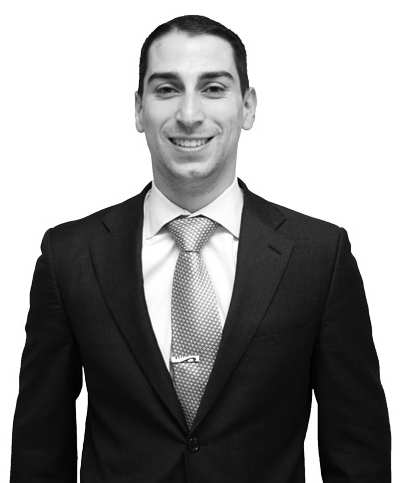
 On a crisp fall afternoon, I sat in the car with my father while my mom ran into the post office to mail a letter.
It was a bright, sunny day and while I looked out the window, a flash of light caught my eye. It intrigued me enough to get out of the car and examine it.
The object was a piece of paper that had been burnt on a horizontal angle through the middle. There was legalese printed on it, outlining the transfers of ridiculous sums of money. But that isn't what caught my eye.
It was the address at the top of the page: "One World Trade Center."
It was Sept. 13, 2001, and I was about a half mile from my home in Brooklyn - approximately five miles from Ground Zero. I was 9 years old.
At the time, I didn't quite understand the magnitude of the attacks. I was young and afraid. I'd never known any home other than New York City. I remember going to the bathroom and being scared a terrorist would jump out at me.
But as I've grown older, I've become more aware of how that day affected my generation and my home.
My perception of the tragedy has changed over time, especially because of how personally New Yorkers took the attacks.
When I compare my upbringing to that of other people, I find a lot of difference in my experience because I grew up in the largest city in the country and because of my unique closeness to the events.
On the morning of Sept. 11, I sat in my fourth grade classroom. The signature public school windows, which stretched from the floor to the 20-feet tall ceiling, opened up to a panoramic view of lower Manhattan. The Twin Towers rose above everything else.
A girl in my class saw the first plane hit.
My teacher tried to remain calm. She closed the blinds and kept teaching. Eventually, she couldn't take it anymore and went to get more news. She reassured us the FDNY was there and they would put the fires out. I don't know if she was saying it more for herself or for us.
Around 10 a.m. the whole school met in the auditorium. The city was essentially shut down, and it took my mom almost two hours to reach my school, which was usually a 20-minute drive.
When I walked to the car with her, I asked: "Did they put the fires out yet?"
That's when I found out what had happened.
For a 9-year-old who had seen these massive buildings as the backdrop to my life (wherever I went, a view of the towers wasn't far away), I couldn't imagine they weren't there anymore.
But they weren't. And I helplessly watched New Yorkers band together and dig through rubble and sort through emotions in preparation for the healing process.
When something that massive happens, the healing process doesn't start right away. The city is still influenced by the attacks today.
There are things New Yorkers see as normal that other people just don't understand. Airport security measures don't frustrate me.
Because of the size of the New York City airports, I often find myself with an hour or more to spare when I fly out of Buffalo because I leave myself so much time to get through security.
It's hard to believe that it was 12 years ago today that my whole world changed. I didn't and couldn't comprehend the influence it would have on my day-to-day life and my worldview as I grew up.
It's easy to say "Never Forget" immediately after a tragedy. It's different to live it for more than a decade.
I can never forget the events of 9/11 because they are a part of me. The people who died and the things that changed are all with me every day.
I can never forget, because I am a product of that day.
Email: ben.tarhan@ubspectrum.com
 Photo: The Spectrum Archives


