EsDeeKid— a Liverpool rapper who has never revealed his name, shown his face or given an interview —has accumulated 20 million monthly Spotify listeners. Anonymity, it turns out, can be its own kind of fame.
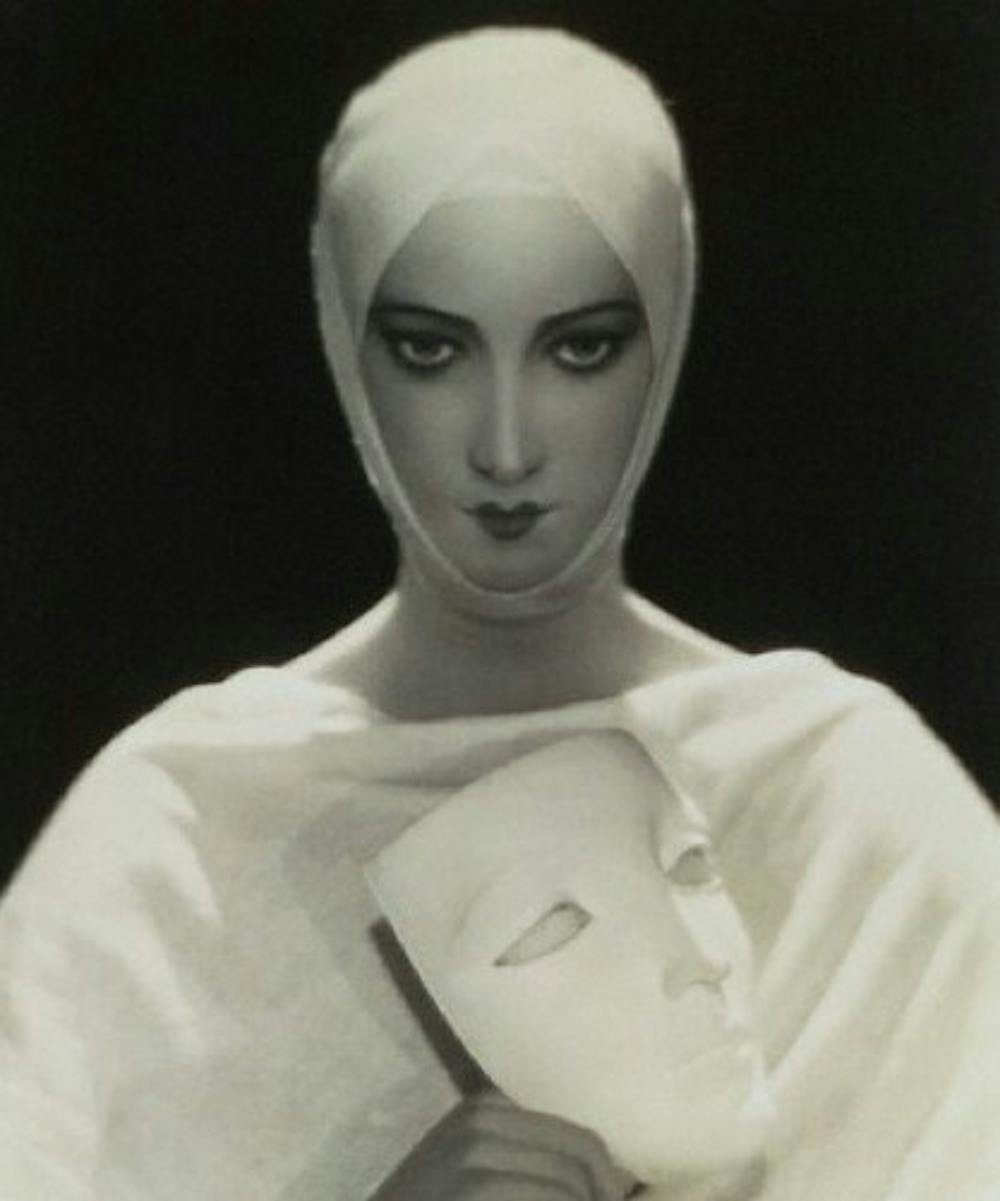
From ritual, terror and self-invention, masks have been used for thousands of years across different cultures. An object that was once worn to speak to gods and ancestors is now becoming a branding tool and fashion statement in an age of digital exposure. The meaning of the mask is evolving with the user and so is its power.
In ancient Egypt, masks symbolized protection, transformation and rebirth. During ceremonies and seasonal rituals, priests would put on the faces of gods like Anubis — god of funerary rites and guide to the underworld — to channel the sacred power, while burial masks were placed on the deceased to ensure the soul could find its way back to the body in the afterlife. The purpose of a mask was to transform the wearer’s identity into something symbolic. It was never meant to conceal one’s face.
One of the most recognizable examples in American history of a mask being used to enact terror and conceal identities was through the Ku Klux Klan. The white supremacist hate group changed the meaning of the mask and turned it into a shield to avoid accountability. Members of the extremist group wore white hoods while carrying out acts of intimidation and violence. The consequences of their actions are written into law, as Southern Poverty Law Center reports, “at least 18 states have ‘anti-masking’ laws that make it a crime to wear a mask in public. Most of the laws were passed between the 1920s and the 1950s in response to the waves of violence from the Klan.” This era of terror took away the positive status of a mask and transformed it into a symbol of threat and fear.
By the late 20th century, masks took on different meanings in pop culture, mainly representing status and exclusivity. In Stanley Kubrick’s 1999 film, “Eyes Wide Shut,” masked individuals gather for a ritual in a mansion that can only be entered with a specific password. The secret elite group uses masks to symbolize their membership in a private world of power. Film scholar Dijana Metilić argues that the masks in the film “reveal false functionality of the real world and the significance of the social roles that conceal the true nature of individuals.” By redefining the mask as a symbol of status, Kubrick reinforces the idea that those at the top of the social ladder have the luxury to walk through the world unseen.
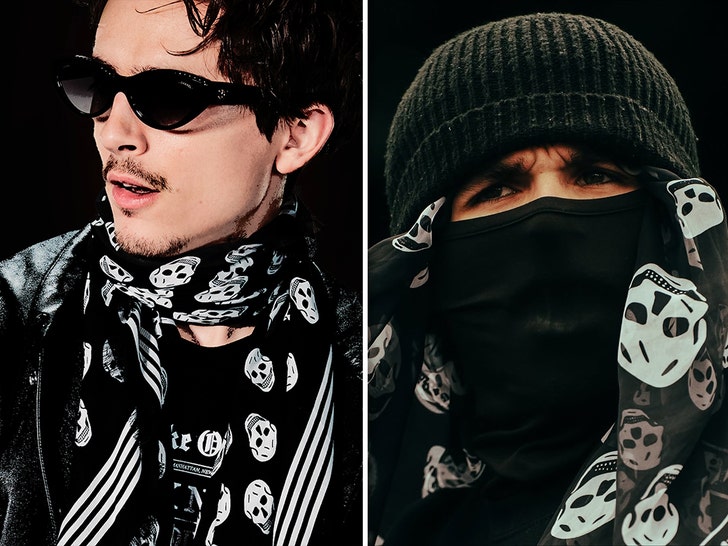
In the 21st century, masks are in the spotlight of pop culture, with artists like EsDeeKid using anonymity to their advantage. The rapper started gaining mainstream attention in late 2025 when his songs “Phantom” and “4 Raws” went viral on TikTok. The success of “4 Raws” was also fueled by a conspiracy theory that the masked rapper was an alter ego for Timothée Chalamet, an American-French actor and producer who starred in Dune and Marty Supreme.
Fans started to compare their facial features and became convinced they were the same person after they both wore the same scarf. The conspiracy theory was debunked when Chalamet did an unofficial surprise remix of “4 Raws” and starred in the music video alongside EsDeeKid. Even after this, fans are still committed to finding out the rapper’s identity, which only solidifies the power of the mask.
For EsDeeKid, remaining faceless allows him to maintain his personal agency and live a normal life outside the social media lens. The separation of his identity from his public persona, lets him enjoy the perks of being a celebrity without the constant invasion of privacy.
The evolution of the mask has come full circle but its role in our lives is always changing. Today, we all have our own digital masks, whether it's an avatar, private profile or curated persona. The choice to stay hidden is an act of resistance in a world that demands we show everything.
The arts desk can be reached at arts@ubspectrum.com

 Photo: Wikimedia Commons | Courtesy of Quintin Soloviev