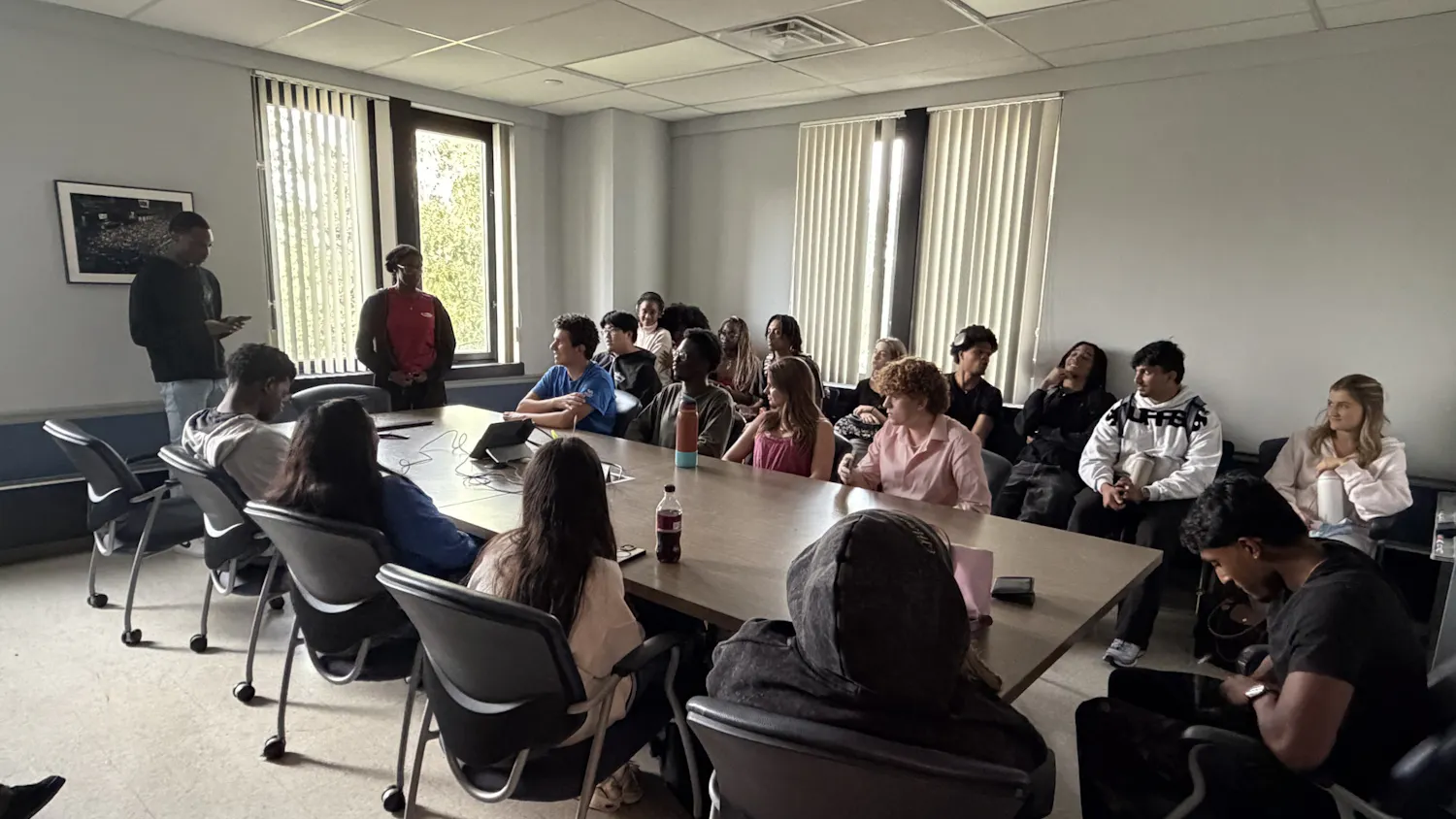
They call themselves "couchsurfers" and they're no slaves to tourism: locals host them on sofas, air mattresses and floors in cities from New York to Shanghai. They travel off the beaten path, make lifelong friends, and do it all for free-though they are quick to open their homes and their hearts to fellow surfers.
Founder Casey Fenton launched the Couchsurfing Project in 2003 in hopes of creating friendships, spreading tolerance and providing people of all ages with a cheaper way to travel and a better way to know the areas they're visiting. Participants design profiles on the Couchsurfing Web site in order to contact fellow surfers from over 200 countries.
"Some people think it's weird initially, but after they meet a handful of couchsurfers, many students get more comfortable with the idea," said Benjamin Breault, a Couchsurfing Ambassador for the City of Buffalo and a student in the graduate School of Education.
Couchsurfing experiences can include anything from local barbecues or meeting up for a meal or drink to acting as a guide or host for a fellow couchsurfer. The project already boasts nearly half a million successful host and surf experiences.
"There's two aspects to couchsurfing: you get to travel to far-off countries and meet host people coming into town, but it's also a way to get to know your own community," said Hilary Whiteley, a student in the graduate School of Education.
Whitely and Breault both said that while they still sometimes stay in hostels, it's preferable to couchsurf because they get to meet new friends and have a guide who knows the city inside and out.
"I recently visited Kentucky and after arriving from a long hot day on the road, our host took us 30 miles south of the city and into the country to swim in a river," Breault said. "We went to a bar and ate fried green tomatoes. I really hit it off with our host, who was a musician and played some songs for us."
Although the couchsurfing community is very welcoming, Breault warns that it's not an experience for everyone. Couchsurfers are well known for being courteous, clean and contributing members to their community. Taking advantage of hosts or the project without acting as a contributing member is a sure way to be refused a couch, as the reference system quickly weeds out freeloaders and provides security for hosts.
"You can couchsurf on whatever security level you are most comfortable with," Whitely said. "You check references and you see who provided those references. If you don't feel comfortable, you don't have to meet up."
Besides references, the Couchsurfing Project implements several safety measures including verification of name and address through credit cards and mail for a small fee. Breault said that Couchsurfing's vouching system is the key to keeping it safe, as surfers take it very seriously and must have three vouches before they can vouch for anyone else.
"Vouching is the highest honor you can give a person. You're putting your name on the line for another surfer," Whiteley said. "If someone you vouch for does something bad, it reflects poorly on you."
Whitely recommends that international students wishing to get to know the community and open individuals looking to make new friends give Couchsurfing a try.
"Couchsurfers are usually genuinely open and enthusiastic people," Whiteley said. "You'll hear so many interesting stories whether you choose to meet up with surfers in your local community or in another country."