
As the term dynasty becomes increasingly relevant to the world of sports, fashion and unfortunately even American politics, it is no small surprise that the popular concept would manifest itself in the world of hip-hop.
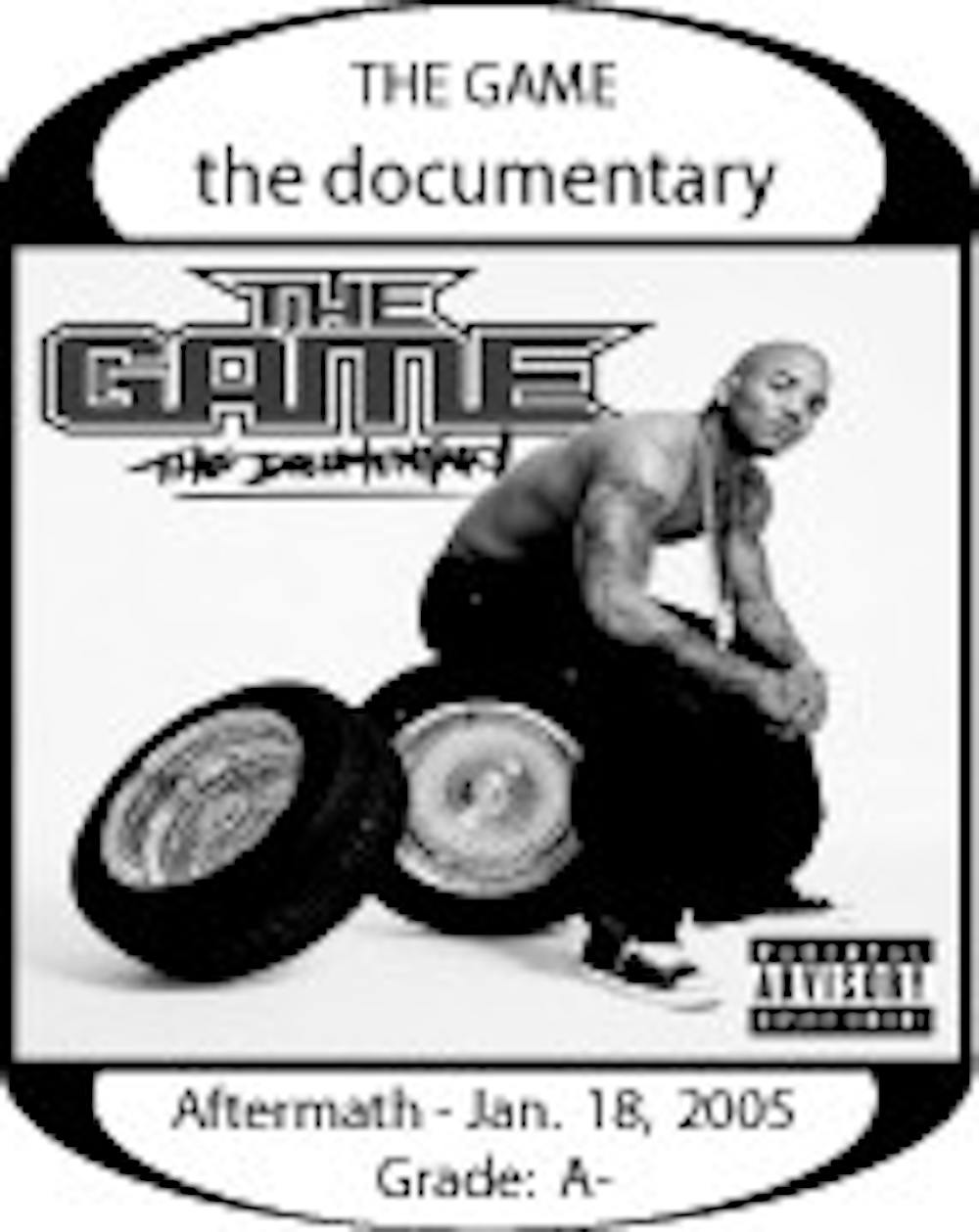
Just as the New England Patriots begin to enjoy the prestigious title, it seems that the Shady/Aftermath camp has also recently concreted their status as mainstream hip-hop's newest juggernaut with their release of the newest G-Unit member debut album, The Game's "The Documentary."
On "The Documentary," the Compton-based G-Unit delegate utilizes a formula for success similar to that of his Shady/Aftermath predecessors 50 Cent and Eminem, delivering an emotional lyrical autobiography, accompanied by the best production the industry has to offer, with beats composed by Dr. Dre, Kanye West, Timbaland and Just Blaze.
The lyrical content on "The Documentary" moves in several different directions, keeping listeners interested. Just as G-Unit member Young Buck melded his Southern drawl with G-Unit's hardcore, heavily metaphorical lyrical style, The Game similarly incorporates a more laid-back West Coast vibe, especially on tracks such as "West Side Story" and "Where I'm From."
While both The Game's life story - he was shot in a drug-related incident before being signed as a rap act - and the exquisite production quality of "The Documentary" have much in common with those of previous releases from Shady/Aftermath, this is much less offensive than it may seem to fans satisfied with this winning equation.
The album's true highlight comes from the title track, while the breakout single "How We Do," featuring 50 Cent, has become almost annoyingly engrained on radio play-lists. On this track, The Game constantly references classic rap albums in order to cement himself in their midst.
Other standout songs include, not surprisingly, "We Ain't" featuring Eminem and "Like Father, Like Son," on which The Game proudly recalls the day his infant son was born.
"The Documentary" relies too much on production, guest appearances and hip-hop references. However, hip-hop is a genre that constantly finds new originality by reaching into the musical past and applying oldies to a modern marketable format.
While this is not meant to suggest that sheer originality is not common in the world of hip-hop, it does explain why "The Documentary" stands at the top by applying such a strategy.


